

Introduction
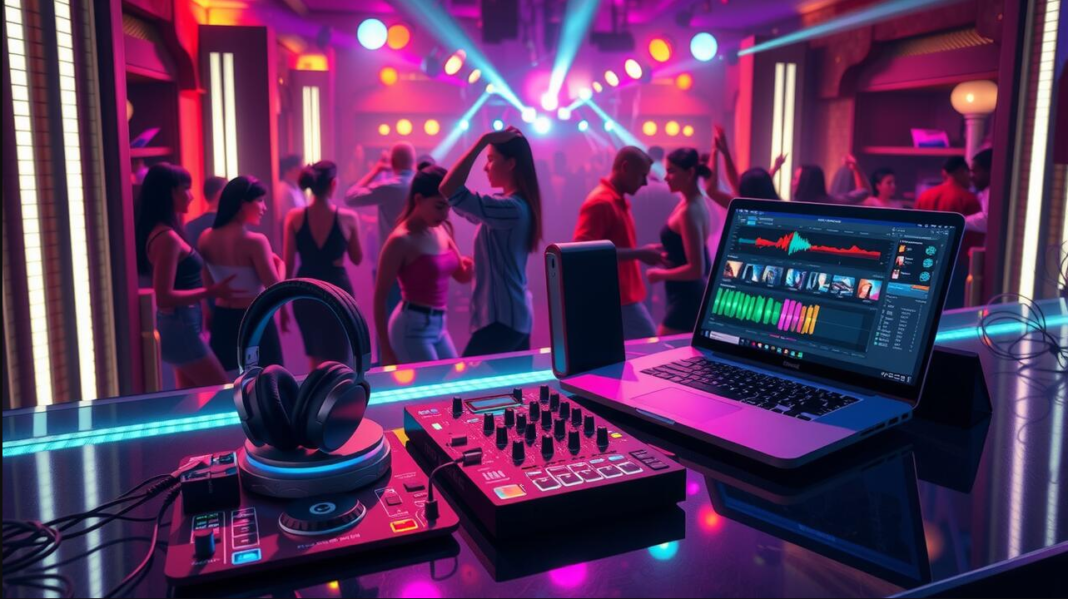
The music entertainment industry has changed rapidly in the last decade, and TechnoFocus DJ has become an important topic among music lovers, event organizers, and digital performers. DJs today are no longer limited to simple sound systems and playlists. Modern technology has transformed live performances into interactive experiences filled with visual effects, advanced audio systems, and audience engagement tools. TechnoFocus DJ represents this modern shift where technology and creativity work together to deliver unforgettable performances.
In today’s entertainment world, digital platforms, AI-powered software, and cloud-based music libraries help DJs create smooth and professional mixes. The rise of electronic dance music, social media promotions, and virtual events has also expanded the role of DJs beyond clubs and concerts. Many event organizers now prefer tech-driven DJs because they provide better sound quality, customized playlists, and advanced performance features.
The growing interest in TechnoFocus DJ also highlights the demand for innovation in entertainment. DJs who understand music production, live streaming, and audience preferences can build strong personal brands and attract global audiences. As technology continues to improve, DJs are becoming more creative and professional in their performances. This combination of music and digital tools is shaping the future of entertainment and creating new opportunities in the music industry.
Understanding the Concept of TechnoFocus DJ
TechnoFocus DJ refers to a modern style of DJing where advanced technology plays a central role in music production and live performance. Traditional DJs relied mostly on vinyl records and manual mixing techniques, while modern DJs use software, controllers, digital sound systems, and automated tools to improve their performances. This evolution has created a more dynamic and engaging experience for audiences worldwide.
One major advantage of TechnoFocus DJ systems is flexibility. DJs can access thousands of tracks instantly, apply sound effects in real time, and create customized music experiences for different events. From weddings and festivals to corporate events and online concerts, digital DJ systems help performers adapt quickly to audience preferences.
Another important factor is accessibility. Many beginners can now start learning DJ skills using affordable software and online tutorials. This has increased the popularity of DJ culture among young people interested in music and entertainment careers. In addition, social media platforms allow DJs to share performances globally and connect with fans more effectively.
The integration of smart technology into DJing has also improved sound quality and stage performance. Lighting synchronization, AI-generated playlists, and wireless audio systems have made performances more professional and visually attractive. The term technofee is often connected with discussions about modern entertainment technology because it represents innovation and digital transformation in creative industries.
Key Technologies Used in Modern DJing
Modern DJ performances depend heavily on advanced technologies that improve sound quality, audience interaction, and performance efficiency. These tools allow DJs to deliver smooth and exciting entertainment experiences in different environments.
| Technology | Purpose | Benefits |
|---|---|---|
| DJ Controllers | Control music software | Easy mixing and portability |
| Digital Audio Workstations | Music editing and production | Professional sound quality |
| Cloud Music Libraries | Store and access tracks online | Instant music availability |
| AI Music Tools | Suggest playlists and beat matching | Faster performance management |
| LED Lighting Systems | Visual stage effects | Enhanced audience engagement |
One important innovation is AI-assisted music mixing. Some DJ software programs can automatically match beats, adjust tempo, and recommend tracks based on audience mood. This reduces technical pressure on DJs and allows them to focus more on creativity and performance.
Wireless technology is another major improvement. DJs can connect speakers, lighting systems, and controllers without complex cables, making event setups cleaner and more efficient. These innovations continue to change how entertainment events are organized and experienced.
The popularity of technofee discussions in entertainment technology communities also reflects growing interest in modern digital tools for live performances. As technology evolves further, DJs will continue adopting smarter systems to improve efficiency and audience satisfaction.
The Role of Creativity in DJ Performances
Technology alone cannot guarantee a successful DJ performance. Creativity remains one of the most important qualities for modern DJs. A TechnoFocus DJ combines technical skills with artistic expression to create unique musical experiences that keep audiences engaged throughout an event.
Creative DJs understand how to read audience reactions and adjust playlists accordingly. They know when to increase energy levels with upbeat tracks and when to introduce calmer music for balance. This emotional connection with audiences is what separates ordinary performances from memorable experiences.
Music transitions are another area where creativity plays a major role. Smooth transitions between songs help maintain rhythm and excitement on the dance floor. DJs often use sound effects, loops, and remixes to create original musical journeys that feel fresh and exciting.
Visual creativity is equally important in modern performances. Many DJs now integrate synchronized lighting, video projections, and stage effects into their shows. These visual elements make performances more immersive and entertaining for audiences of all sizes.
The concept of technofee is frequently associated with this blend of creativity and technology. DJs who successfully combine innovation with artistic skills often build strong reputations in the entertainment industry. Their performances become more than music events; they become complete entertainment experiences.
Benefits of TechnoFocus DJ for Events
The demand for professional DJs has increased because events today require more advanced entertainment solutions. TechnoFocus DJ services offer several advantages that improve event quality and audience satisfaction.
Main Benefits of Modern DJ Services
- Better sound quality using digital systems
- Customized playlists for different audiences
- Faster music access through cloud storage
- Professional lighting and stage effects
- Real-time audience interaction
- Smooth event management and coordination
One major benefit is personalization. DJs can create music sets based on the specific theme and mood of an event. Whether it is a wedding, birthday party, business conference, or music festival, customized performances help create memorable experiences.
Another advantage is reliability. Modern digital systems reduce technical issues and improve overall performance stability. DJs can quickly switch tracks, adjust sound levels, and manage multiple audio inputs during live events.
Event organizers also appreciate the professional image associated with advanced DJ setups. High-quality sound systems and synchronized lighting create a more premium entertainment experience. This can improve guest satisfaction and increase the reputation of the event itself.
The term technofee appears in discussions about event innovation because many organizers now prioritize technology-driven entertainment solutions. These modern approaches help events stand out in competitive entertainment markets.
Challenges Faced by Modern DJs
Despite the benefits of technology, DJs also face several challenges in the modern entertainment industry. Competition has increased significantly as more people enter the field using affordable digital tools and online learning resources.
One major challenge is keeping up with rapidly changing technology. New software updates, music platforms, and equipment models require continuous learning and investment. DJs who fail to adapt may struggle to compete with more technologically advanced performers.
Copyright and licensing issues also create difficulties. DJs must ensure they use music legally, especially during live streams and online performances. Violations can lead to financial penalties or content removal from digital platforms.
Another challenge is audience expectations. Modern audiences expect not only great music but also impressive visuals, stage effects, and interactive experiences. Meeting these expectations requires both technical expertise and creative planning.
Mental and physical stress can also affect DJs because performances often involve long working hours, travel, and irregular schedules. Managing these pressures while maintaining performance quality is important for long-term success.
The growing focus on technofee within entertainment discussions highlights the need for balance between technology and human creativity. DJs must continue improving both technical knowledge and artistic abilities to succeed in this competitive industry.
Future Trends in the DJ Industry
The future of the DJ industry looks highly innovative as new technologies continue transforming entertainment experiences. Artificial intelligence, virtual reality, and immersive sound systems are expected to become more common in live performances.
Emerging DJ Industry Trends
| Trend | Impact on DJs |
|---|---|
| AI Music Generation | Faster remix creation |
| Virtual Reality Events | Global audience participation |
| Blockchain Music Rights | Better copyright protection |
| Smart Sound Systems | Improved audio quality |
| Interactive Live Streaming | Stronger fan engagement |
Virtual concerts and online festivals have already become popular worldwide. DJs can now perform for international audiences without traveling physically. This creates new business opportunities and expands global reach.
AI-powered tools may also help DJs analyze audience behavior in real time. By understanding crowd reactions, DJs can make faster decisions about music selection and energy management during performances.
Sustainability is another growing trend. Many event organizers prefer eco-friendly equipment and energy-efficient lighting systems to reduce environmental impact. DJs adopting sustainable practices may gain more opportunities in the future entertainment market.
The continued use of technofee concepts in digital entertainment discussions reflects the increasing connection between technology and creative performance industries. DJs who embrace innovation while maintaining artistic originality will likely shape the future of music entertainment.
Importance of Branding for DJs
Personal branding has become essential for DJs who want to succeed in competitive entertainment industries. A strong brand helps DJs attract audiences, gain event bookings, and establish credibility in the music world.
Modern DJs use social media platforms, streaming services, and digital marketing strategies to promote their performances and connect with fans. Consistent branding, including logos, visuals, and music style, helps audiences recognize and remember a DJ’s identity.
Professional websites, online portfolios, and video content also improve visibility. Many successful DJs regularly upload performance clips, remixes, and behind-the-scenes content to engage followers and build loyal fan communities.
Networking is another important aspect of branding. Collaborating with music producers, event organizers, and influencers can create valuable opportunities for career growth. DJs who actively participate in industry events often build stronger professional relationships.
The influence of technofee in entertainment branding highlights how digital innovation supports personal marketing efforts. Technology allows DJs to reach larger audiences and create stronger online identities than ever before.
Conclusion
TechnoFocus DJ represents the modern transformation of music entertainment through technology, creativity, and innovation. Today’s DJs use advanced software, AI tools, digital sound systems, and interactive stage effects to create exciting experiences for audiences worldwide. The industry has evolved far beyond traditional music mixing and now includes branding, live streaming, audience analytics, and immersive visual performances.
While technology provides powerful tools, creativity remains the foundation of successful DJ performances. DJs who combine technical expertise with artistic talent can build strong careers in the competitive entertainment market. Challenges such as rapid technological change, audience expectations, and copyright management continue to shape the industry, but they also encourage innovation and professional growth.