


Introduction
The digital world has become an important part of everyday life. From communicating with friends and managing professional responsibilities to learning new skills and accessing essential services, people increasingly depend on technology. The internet has changed how information travels, how businesses operate, and how individuals make decisions. However, having access to digital tools is not enough. People also need to understand how these tools work, recognize reliable information, protect their personal details, and use online platforms responsibly. This growing need has made digital awareness an important skill in modern society.
In this changing environment, Technofee Com can be explored as a topic connected with technology awareness, online information, and the changing relationship between people and digital platforms. As new applications, artificial intelligence tools, social networks, and online services continue to develop, users need practical knowledge to navigate the digital environment confidently. Digital awareness helps individuals understand both the opportunities and challenges associated with modern technology while encouraging thoughtful and responsible online behavior.
Understanding the Meaning of Digital Awareness
Digital awareness refers to the knowledge and understanding required to use digital devices, online platforms, applications, and internet-based services effectively. It includes knowing how to find information, communicate through digital channels, recognize potential online risks, and make informed decisions when using technology. It is not limited to understanding computers or smartphones. Instead, it involves developing the ability to evaluate digital experiences and recognize how technology influences personal, professional, and social activities.
For example, someone using an online shopping application should understand how to compare products, identify trustworthy sellers, review payment information, and protect personal details. Similarly, a student searching for educational material should know how to distinguish reliable sources from misleading information. These everyday situations demonstrate why digital awareness has become necessary for people of different ages and backgrounds. It allows users to participate more confidently in an increasingly connected world.
Why Digital Awareness Is Becoming More Important
The rapid development of internet-based services has changed how people complete ordinary tasks. Banking, education, shopping, entertainment, healthcare communication, and professional collaboration are now supported by digital platforms. Many services that once required physical visits can be accessed through websites and mobile applications. Although these developments offer convenience, they also introduce responsibilities that users must understand.
Technofee Com provides an interesting subject for exploring this growing relationship between technology and everyday awareness. As digital services become more integrated into daily routines, users must learn how to identify trustworthy platforms and understand the information they share online. A lack of awareness can lead to problems such as financial scams, identity theft, privacy violations, and the spread of inaccurate information. Developing basic digital knowledge helps reduce these risks and encourages better decisions.
Technology Is Changing Everyday Activities
Modern technology has made communication and information sharing faster than ever. People can attend virtual meetings, access educational resources, pay bills, and manage professional projects without being physically present at a particular location. Smartphones have become especially important because they combine several digital services in one portable device.
However, convenience should not replace careful decision-making. Users need to understand application permissions, account security, software updates, and privacy settings. A person who regularly uses mobile payment applications, for instance, should know how to recognize suspicious payment requests and avoid sharing verification codes. These small habits can make a meaningful difference in maintaining online safety.
The Role of Online Information in Digital Awareness
Information is one of the most valuable resources available through the internet. Search engines, online publications, educational platforms, and social media provide access to enormous amounts of knowledge. People can research unfamiliar subjects, compare different opinions, and explore new opportunities within minutes. Nevertheless, not every piece of information published online is accurate or trustworthy.
Digital awareness encourages users to examine information before accepting or sharing it. They should consider where the information originated, whether supporting evidence is available, and whether other credible sources confirm the same details. This approach is particularly important when reading news, health-related information, financial discussions, or technical advice.
Recognizing Reliable Digital Sources
A reliable digital source generally provides understandable information, identifies its purpose, and supports important claims with appropriate evidence. Users should be cautious when encountering sensational headlines, unrealistic promises, anonymous claims, or content that encourages immediate action without proper explanation.
For example, an article discussing a new technology should explain its features and limitations rather than presenting unsupported claims about guaranteed results. Comparing multiple sources can also help readers develop a balanced understanding of complicated subjects. These practices strengthen digital literacy and make online research more useful.
How Technofee Com Connects With Modern Technology Discussions
Technology-related topics attract attention because digital developments influence nearly every industry. From artificial intelligence and cloud computing to cybersecurity and mobile applications, people regularly encounter new concepts that may affect their personal or professional lives. Understanding these developments requires accessible explanations that connect technical subjects with practical situations.
Technofee Com can be considered within this broader discussion of digital information and technology awareness. Readers exploring technology-focused subjects often want to understand what a particular development means, why it matters, and how it might influence everyday activities. Clear explanations can make complicated ideas easier to understand, particularly for beginners who may not have technical backgrounds.
The value of technology-related content also depends on how responsibly information is presented. Articles should distinguish established facts from opinions, avoid exaggerated promises, and explain potential limitations. Readers benefit most when content provides context instead of simply repeating technical terminology.
The Growing Influence of Artificial Intelligence
Artificial intelligence has become one of the most discussed areas of modern technology. AI-powered systems are now used in customer support, content creation, language translation, data analysis, education, and business operations. These tools can help people complete tasks more efficiently, but their growing popularity also makes digital awareness increasingly important.
Users should understand that artificial intelligence does not always produce accurate or complete information. AI-generated responses can contain outdated details, incorrect explanations, or misleading statements. Therefore, important information should be checked against reliable sources before being used for professional, educational, or personal decisions.
Responsible Use of AI Tools
Responsible AI usage involves understanding the purpose of a tool, protecting private information, and reviewing its output carefully. For example, students can use AI applications to understand difficult concepts, generate study ideas, or organize research topics. However, they should still evaluate the information independently and follow their institution’s academic guidelines.
Businesses can also benefit from AI-powered systems when managing repetitive tasks or analyzing information. Nevertheless, organizations should consider data protection, transparency, and human oversight. Technology becomes more valuable when people understand its limitations instead of relying on it without question.
Digital Safety and Online Privacy
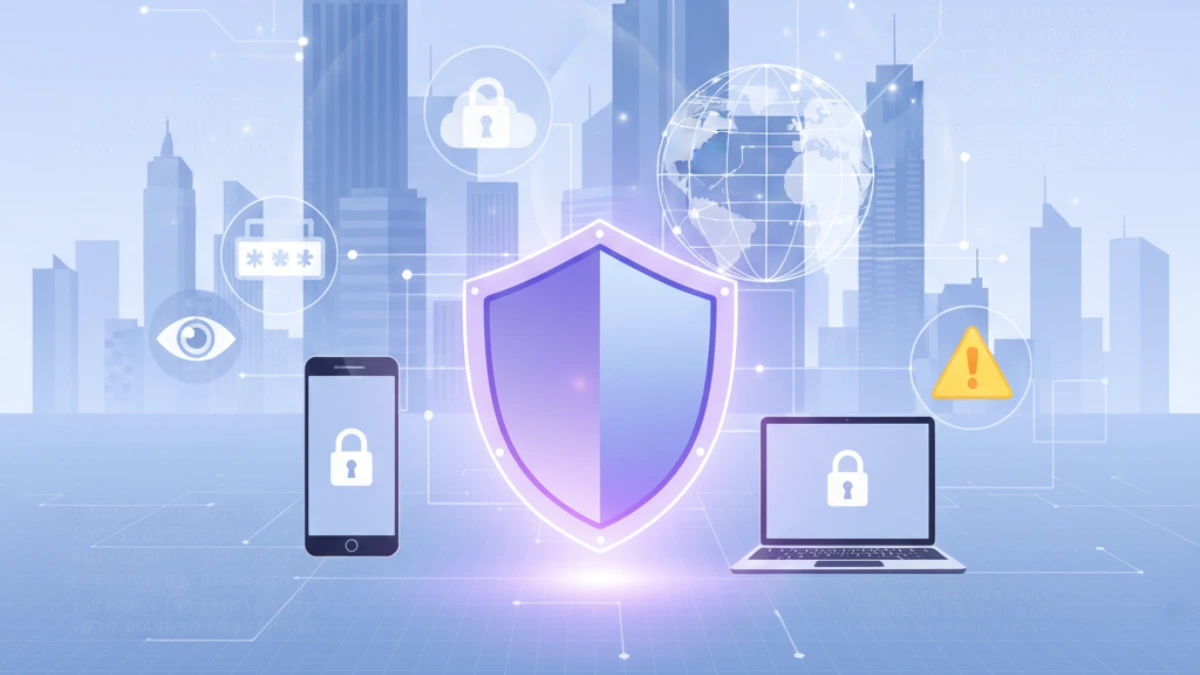
Online safety is an essential part of digital awareness because people regularly share personal and professional information through connected devices. Email addresses, contact details, payment information, passwords, and account credentials can become targets for cybercriminals. Understanding common online threats helps users recognize suspicious activities before they cause serious problems.
Phishing messages, fake websites, fraudulent applications, and social engineering attempts are examples of risks that internet users may encounter. Such activities often rely on urgency or fear to encourage people to reveal confidential information. A message claiming that an account will immediately be suspended, for example, may attempt to persuade someone to click an unfamiliar link.
Some practical habits can help improve digital security:
-
Use strong and unique passwords for important accounts.
-
Enable two-factor authentication whenever available.
-
Avoid opening suspicious attachments or unfamiliar links.
-
Review application permissions and privacy settings.
-
Install updates from trusted sources.
These practices are useful for individuals, families, students, and businesses. Digital safety does not require advanced technical knowledge in every situation. Consistent attention to basic security habits can significantly improve protection against common online threats.
Understanding the Relationship Between Technology and Education
Education has experienced major changes through the expansion of digital learning resources. Students can access online courses, recorded lessons, virtual classrooms, research databases, and interactive educational applications. These resources allow learners to explore subjects at their own pace and discover information beyond traditional classroom materials.
Digital awareness helps students use these opportunities effectively. They need to understand how to search for credible academic information, organize digital notes, protect their accounts, and communicate respectfully in online learning environments. Teachers also benefit from understanding digital tools because technology can support collaboration, assessment, and personalized learning.
The following table highlights how digital awareness contributes to different areas of everyday life.
| Area | Importance of Digital Awareness | Practical Benefit |
|---|---|---|
| Education | Evaluating online learning resources | Better research and learning |
| Banking | Recognizing suspicious transactions | Improved financial security |
| Communication | Understanding online behavior | Responsible interaction |
| Shopping | Identifying trustworthy sellers | Safer purchases |
| Workplace | Using digital tools effectively | Improved productivity |
| Entertainment | Managing privacy and screen time | Healthier digital habits |
Digital education should not focus exclusively on learning how to operate devices. It should also help people understand the consequences of their online actions and develop the confidence to make informed choices.
The Importance of Digital Awareness for Businesses
Businesses increasingly depend on technology to communicate with customers, manage operations, promote products, and analyze performance. Websites, social media accounts, online payment systems, and cloud-based applications have become important parts of many business strategies. Even smaller organizations use digital platforms to reach customers beyond their immediate geographical areas.
However, successful technology adoption requires more than purchasing software or creating an online presence. Employees must understand how to use digital systems properly, recognize cybersecurity threats, and handle customer information responsibly. A single careless action, such as sharing confidential information through an unsecured channel, can create operational and reputational problems.
Technofee Com also fits into conversations about how people and organizations understand the changing digital environment. Technology-focused information can help readers explore emerging tools, recognize workplace developments, and appreciate why continuous learning is important. Businesses that encourage digital education are often better prepared to adapt to changing customer expectations and technological developments.
Social Media and Responsible Online Behavior
Social media has transformed communication by allowing people to share opinions, photographs, videos, news, and professional updates with large audiences. These platforms support networking, entertainment, marketing, and community engagement. At the same time, they create challenges involving misinformation, privacy, online harassment, and excessive screen time.
Digital awareness encourages individuals to think carefully before publishing or sharing content. Information posted publicly can sometimes remain accessible for years, even after the original post has been deleted. Therefore, users should consider whether their content could affect their personal reputation, professional opportunities, or relationships.
Building Healthy Digital Habits

Healthy technology habits involve finding a reasonable balance between online activities and offline responsibilities. Constant notifications and endless scrolling can make it difficult to concentrate on work, education, or personal relationships. Setting screen-time limits, disabling unnecessary notifications, and taking regular breaks can help people maintain a healthier routine.
Responsible social media participation also means respecting different viewpoints and avoiding the spread of unverified information. Users should communicate politely, protect other people’s privacy, and report harmful content through appropriate platform features. These simple actions contribute to a more respectful digital environment.
Challenges That Prevent Digital Awareness
Although internet access has expanded significantly, not everyone has equal opportunities to develop digital skills. Differences in education, income, infrastructure, language, and access to reliable devices can create barriers. Some people may have access to smartphones but limited knowledge of how to use online services safely.
Another challenge is the speed at which technology changes. Applications regularly introduce new features, privacy settings, and security requirements. A person who understands one platform may need additional guidance when using a different service. This makes digital learning an ongoing process rather than a skill that can be completed once.
Misinformation is another major concern. Online content can spread quickly, and misleading claims may appear convincing when presented professionally. Users need critical thinking skills to evaluate sources, compare evidence, and recognize emotional manipulation. Improving digital awareness requires cooperation between educational institutions, families, technology providers, and communities.
Practical Ways to Improve Digital Awareness
Developing stronger digital awareness does not necessarily require expensive courses or advanced technical qualifications. People can begin by improving their understanding of everyday applications and gradually exploring more complicated topics. Regular learning helps users stay informed about changing technology and become more comfortable with digital services.
A useful approach is to combine practical experience with reliable educational information. For example, someone interested in cybersecurity can begin by learning about passwords, phishing, account recovery, and privacy settings. Similarly, a person exploring artificial intelligence can study how different tools work and understand when human verification is necessary.
Some effective learning habits include:
-
Explore basic technology concepts through educational materials.
-
Practice using digital services with appropriate safety measures.
-
Compare information from multiple trustworthy sources.
-
Learn about privacy, cybersecurity, and responsible AI usage.
-
Stay informed about important technological developments.
These activities can gradually improve confidence and help individuals make better decisions. The objective is not to become an expert in every technology but to understand enough to use digital resources thoughtfully.
The Future of Digital Awareness
The future of digital awareness will be influenced by developments in artificial intelligence, automation, connected devices, cloud computing, and digital communication. As these technologies become more common, people will need new skills to understand how information is collected, processed, and shared. Digital knowledge will increasingly influence educational opportunities, employment, business activities, and personal decision-making.
Emerging technologies may also introduce more complicated questions about privacy, transparency, security, and responsible innovation. For example, smart devices can collect information about everyday activities, while AI-powered applications can process large amounts of personal or professional data. Understanding how these systems operate will become important for protecting individual interests.
In this environment, Technofee Com represents a relevant topic for readers interested in exploring digital developments and the importance of technology-related knowledge. The growing need for accessible explanations shows why digital awareness should remain an important part of modern education and everyday life.
Frequently Asked Questions (FAQs)
1. What is digital awareness?
Digital awareness is the ability to understand and use digital technologies responsibly. It includes evaluating online information, protecting personal data, recognizing cybersecurity risks, and using digital platforms effectively.
2. Why is digital awareness important today?
Digital awareness is important because people increasingly depend on internet-based services for communication, education, banking, shopping, and professional activities. It helps individuals avoid common online risks and make informed decisions.
3. What topics can readers explore through Technofee Com?
Readers interested in Technofee Com may explore broader subjects connected with technology awareness, digital information, online platforms, emerging innovations, and responsible internet usage. The usefulness of any particular resource depends on the accuracy and quality of its published information.
4. How can beginners improve their digital skills?
Beginners can improve their digital skills by learning basic computer operations, exploring trusted educational resources, understanding online privacy, and practicing safe internet habits. Regular learning and practical experience can gradually increase confidence.
5. How does artificial intelligence affect digital awareness?
Artificial intelligence makes digital awareness more important because AI-powered tools can generate information, automate tasks, and influence decisions. Users should understand their limitations, verify important outputs, and avoid sharing confidential information unnecessarily.
6. What is the future of digital awareness?
Digital awareness will become increasingly important as artificial intelligence, connected devices, automation, and online services continue to develop. People will need stronger skills in cybersecurity, information evaluation, privacy protection, and responsible technology usage.
Conclusion
Digital awareness has become an essential part of modern life because technology influences how people communicate, learn, work, shop, and access information. Understanding digital platforms is no longer limited to technical professionals. Students, business owners, employees, families, and everyday internet users all benefit from knowing how to navigate online environments safely and responsibly.
The growing importance of subjects associated with Technofee Com reflects a wider interest in understanding technology and its influence on society. From artificial intelligence and digital education to cybersecurity and social media responsibility, there are many areas where better knowledge can improve everyday experiences. As technology continues to evolve, people should remain curious, evaluate information carefully, and develop practical digital skills. Ultimately, digital awareness is not simply about keeping up with new devices or applications; it is about becoming a confident, informed, and responsible participant in an increasingly connected world.

