


Introduction
Digital technology has become an essential part of everyday life. From communicating with friends and family to managing professional responsibilities, learning new skills, shopping online, and accessing important information, people depend on digital platforms for countless activities. The rapid development of the internet has also changed how individuals understand the world around them. However, having access to technology is not enough. People must also understand how to use digital resources responsibly, identify reliable information, protect personal data, and recognize the opportunities and challenges associated with online platforms. This is where digital awareness becomes increasingly important.
Technofee Com can be explored as a keyword within the broader discussion of digital information and online awareness. As internet users search for technology-related resources, they often want to understand digital trends, discover useful information, and improve their knowledge of online services. Digital awareness helps people develop the confidence to navigate these experiences. Whether someone is a student, working professional, business owner, or casual internet user, understanding technology can make everyday online activities more productive and secure.
In the current digital environment, information is available almost everywhere, but not all online content is accurate or trustworthy. People need to develop the ability to evaluate information before accepting or sharing it. Learning about technology, cybersecurity, digital communication, and online responsibility can help individuals make better decisions. Understanding these subjects creates a foundation for a safer and more informed digital society.
Understanding the Meaning of Digital Awareness
Digital awareness refers to the knowledge and understanding required to use digital devices, internet services, software, and online platforms effectively. It involves more than knowing how to operate a smartphone or computer. It also includes understanding how information travels online, how digital platforms collect data, and how online activities can affect personal and professional life.
For example, someone who uses social media regularly should understand privacy settings, account security, and the importance of checking information before sharing it. Similarly, a person who frequently makes online payments should recognize secure payment practices and understand the risks of suspicious websites. These basic skills demonstrate how digital awareness supports responsible technology use.
Digital awareness is also connected to digital literacy. While digital literacy focuses on the practical ability to use technology, digital awareness emphasizes understanding its impact, limitations, and responsibilities. Both are important because modern technology changes quickly, introducing new applications, services, and potential security concerns.
How Technofee Com Connects With Digital Awareness
The growing interest in online technology resources reflects the increasing demand for accessible digital information. Technofee Com can be considered within this wider online information landscape, where users explore technology-related topics and look for explanations that help them understand the digital world.
Internet users have different levels of technical knowledge. Beginners may want straightforward explanations of applications, websites, and basic digital tools, while experienced users may be interested in emerging technologies, software developments, and online productivity. Digital awareness makes these subjects easier to understand by encouraging people to approach information with curiosity and critical thinking.
A technology-focused online resource can contribute to awareness when it presents information in a clear, understandable, and responsible manner. Readers benefit from explanations that describe how digital services work, what advantages they provide, and what precautions users should consider. However, readers should always evaluate the accuracy and reliability of any information they encounter rather than assuming that every online resource is authoritative.
The Importance of Digital Awareness in Today’s World
1. Improving Access to Information
The internet has transformed the way people discover information. In the past, individuals often depended on physical books, newspapers, libraries, and traditional educational institutions. Today, digital platforms allow people to explore a wide range of subjects within seconds.
This accessibility creates opportunities for continuous learning. Students can research academic topics, professionals can improve their industry knowledge, and individuals can explore subjects that interest them. However, the large volume of available information also creates challenges. Misleading articles, outdated explanations, and unverified claims can influence people’s understanding.
Digital awareness encourages users to examine the source, publication date, supporting evidence, and purpose of online information. These habits help readers distinguish useful educational content from unreliable material.
2. Encouraging Responsible Internet Usage
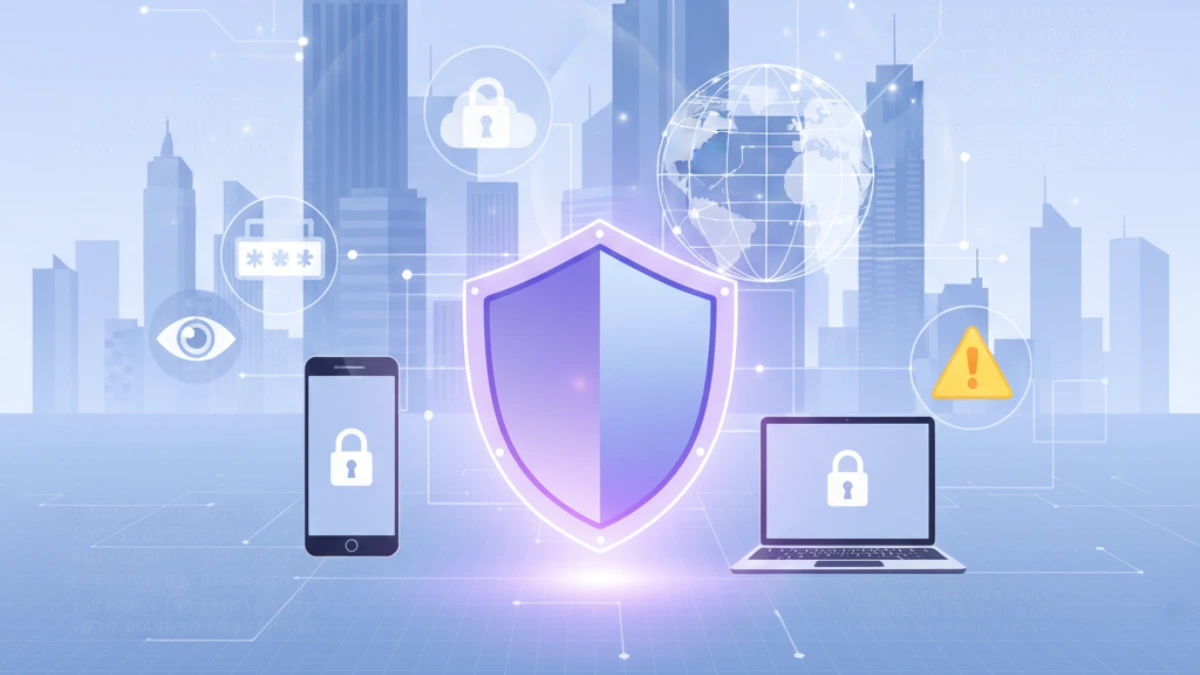
Responsible internet usage means understanding how online activities affect individuals and communities. Every comment, photograph, message, and public post can contribute to a person’s digital footprint. Information shared online may remain accessible for extended periods, even after the original content has been removed.
People should think carefully before publishing personal information or participating in online discussions. Respectful communication, appropriate language, and awareness of privacy are important parts of responsible digital behavior.
For younger internet users, these lessons are particularly valuable. Parents and educators can help children understand online boundaries, recognize inappropriate content, and communicate safely. Developing responsible habits early can support healthier digital experiences throughout life.
3. Strengthening Cybersecurity Knowledge
Cybersecurity has become one of the most important aspects of digital awareness. As people increasingly depend on online banking, shopping, communication, and cloud services, protecting personal information is essential.
Cybercriminals use different methods to gain unauthorized access to accounts and sensitive information. Phishing messages, fraudulent websites, suspicious downloads, and password-related attacks are common examples of digital threats. Understanding these risks helps users recognize warning signs before taking action.
Some essential cybersecurity practices include:
-
Creating strong and unique passwords for different accounts.
-
Enabling two-factor authentication whenever available.
-
Avoiding suspicious links and unexpected attachments.
-
Updating operating systems, browsers, and applications regularly.
-
Checking website addresses before entering sensitive information.
These practices are relatively simple, but they can significantly improve online security when followed consistently.
The Role of Technology Platforms in Digital Learning
Technology platforms have created new opportunities for people to learn independently. Educational websites, online tutorials, digital publications, video lessons, and interactive applications allow users to develop knowledge at their own pace.
Unlike traditional learning environments, digital resources are often available at different times and from different locations. This flexibility is particularly helpful for working professionals and students who need to balance learning with other responsibilities. Someone interested in improving computer skills, for example, can follow online lessons and practice using software without attending a physical classroom.
Technofee Com fits into the broader conversation about how people discover and explore digital information. Users searching for technology-related subjects generally benefit from organized explanations, practical examples, and beginner-friendly discussions. Content that explains unfamiliar concepts without unnecessary technical language can make digital learning more accessible.
However, online learning also requires discipline. Readers should compare information from multiple trustworthy sources, check whether instructions are current, and practice newly learned skills. This approach makes digital learning more effective and helps prevent misunderstandings.
Understanding Modern Technology Trends
Technology is constantly evolving, and digital awareness requires keeping up with developments that influence everyday activities. Artificial intelligence, cloud computing, mobile applications, automation, and digital payment systems are among the technologies shaping modern society.
Artificial intelligence has become particularly influential. It supports activities such as language translation, customer service, content organization, data analysis, and personalized recommendations. AI-powered tools can save time and improve productivity, but users should understand that generated information may contain errors or incomplete explanations.
Cloud computing is another important development. It allows individuals and organizations to store information, access applications, and collaborate through internet-based services. This technology has made remote working and digital cooperation easier, although users must consider data privacy and account security.
The following table highlights several important technology developments and their relationship with digital awareness.
| Technology | Common Application | Digital Awareness Requirement |
|---|---|---|
| Artificial Intelligence | Automation and content assistance | Verify generated information |
| Cloud Computing | Online storage and collaboration | Understand data privacy |
| Mobile Technology | Communication and applications | Manage permissions and security |
| Digital Payments | Online transactions | Recognize payment fraud |
| Social Media | Communication and networking | Protect personal information |
Understanding these technologies allows users to make informed decisions about the tools they use. Instead of adopting every new application immediately, individuals should evaluate its usefulness, security, and suitability for their requirements.
Digital Awareness for Students and Young Internet Users

Students are among the most active users of digital technology. They use smartphones, computers, educational applications, and online resources to complete assignments, attend classes, communicate with teachers, and explore career opportunities. Digital platforms have made educational information more accessible, but they have also introduced new responsibilities.
Students need to understand the difference between learning from online sources and copying information without understanding it. Research skills, source evaluation, responsible use of AI tools, and respect for intellectual property are important elements of modern education.
Digital awareness also helps students recognize online distractions. Excessive social media usage, continuous notifications, and entertainment applications can affect concentration and study routines. Developing healthy screen-time habits can help students maintain a better balance between academic activities and digital entertainment.
Educational institutions can support this development by including digital literacy, cybersecurity awareness, and responsible online communication in their learning programs. Practical activities, discussions, and real-world examples can make these subjects easier to understand.
The Relationship Between Digital Awareness and Online Safety
Online safety is an essential part of responsible technology use. People frequently share information through websites, applications, messaging platforms, and social networks. Without proper awareness, they may unintentionally expose personal details or become targets of online fraud.
Privacy settings provide an important level of protection. Users should regularly review which applications can access their camera, microphone, contacts, and location. They should also avoid sharing unnecessary personal details on public profiles.
Another important concern is misinformation. False information can spread rapidly through social networks and messaging applications, particularly when users share content without checking its authenticity. Before believing or forwarding a claim, readers should examine the original source and look for confirmation from reliable publications or official organizations.
Recognizing Common Online Risks
Understanding common online risks makes it easier to respond appropriately when something suspicious happens. Some threats are designed to look like ordinary communication, which is why careful attention is necessary.
Phishing emails may imitate banks, delivery companies, or familiar digital services. Fake advertisements may promise unrealistic benefits, while fraudulent websites may attempt to collect login information. Users should remain cautious when receiving unexpected requests for passwords, payment details, or verification codes.
When an account appears compromised, users should change the password through the official service, review account activity, and contact the relevant provider if necessary. Quick action can reduce the potential impact of unauthorized access.
How Businesses Benefit From Digital Awareness
Digital awareness is important not only for individual internet users but also for businesses. Organizations depend on digital communication, online marketing, cloud platforms, customer databases, and automated systems to manage their operations.
Employees who understand basic cybersecurity principles are better prepared to identify suspicious messages, protect company information, and follow responsible data-handling practices. A single careless action, such as opening a harmful attachment, can potentially create problems for an entire organization.
Businesses also need to understand how technology affects customer relationships. Clear communication, secure payment systems, transparent privacy policies, and responsible handling of customer information help build trust. Companies that invest in employee training and digital security can create a more reliable working environment.
For small businesses, digital awareness can also improve marketing decisions. Understanding search engines, social media, online advertising, and website analytics helps business owners reach their audiences more effectively. These skills support better planning and more informed decisions.
Developing Better Digital Habits in Everyday Life
Building digital awareness does not require advanced technical knowledge. Small improvements in everyday behavior can create meaningful changes over time. Individuals can begin by reviewing their account security, organizing digital files, limiting unnecessary notifications, and checking the reliability of online information.
Another useful habit is maintaining a healthy relationship with technology. Smartphones and digital platforms provide convenience, but continuous usage can affect concentration and productivity. Setting specific periods for checking messages, taking screen breaks, and avoiding unnecessary device usage can help people maintain balance.
Readers exploring Technofee Com and similar technology-related search topics should also develop the habit of learning continuously. New digital services and online practices emerge regularly, making it important to update existing knowledge. A person who understands basic internet safety today may need to learn about new privacy concerns or artificial intelligence features tomorrow.
The following habits can help strengthen digital awareness:
-
Review privacy and security settings periodically.
-
Learn about new digital tools before using them.
-
Verify important information through reliable sources.
-
Maintain a balance between online and offline activities.
Consistency is more important than learning everything at once. Regular attention to digital habits helps individuals become more confident and responsible technology users.
Challenges in Promoting Digital Awareness
Despite the growing importance of digital awareness, several challenges prevent people from developing strong technology skills. One major issue is the digital divide. Not everyone has equal access to reliable internet connections, modern devices, or quality educational resources. This difference can affect opportunities for learning, communication, and professional development.
Another challenge is the rapid pace of technological change. New applications and digital services appear frequently, making it difficult for users to stay informed. Information overload can also make it challenging to identify which subjects deserve attention and which sources are trustworthy.
Language barriers create additional difficulties. Some technology-related information is available mainly in English or uses technical terminology that beginners may find confusing. Providing clear explanations in different languages can help make digital knowledge more accessible.
Governments, educational institutions, technology companies, and online publishers all have a role in addressing these challenges. Affordable internet access, practical digital education, awareness campaigns, and transparent technology policies can contribute to a more inclusive digital environment.
The Future of Digital Awareness
The future of digital awareness will be closely connected to emerging technologies. Artificial intelligence, smart devices, connected systems, and automated services are expected to influence more areas of daily life. As these technologies become common, users will need a better understanding of how they operate and how their information is used.
AI-generated content is an especially important area of concern. People will increasingly need to recognize the difference between human-created and machine-generated material, check factual claims, and understand the limitations of automated systems. Critical thinking will remain an essential skill even as technology becomes more advanced.
Digital awareness will also become increasingly relevant in professional environments. Employees may need to work with AI assistants, digital collaboration platforms, automated reporting tools, and online security systems. Learning how to use these technologies responsibly can support productivity and professional development.
In this changing environment, Technofee Com can be approached as part of the wider interest in technology-related information and digital learning. The broader goal should be to encourage curiosity, informed decision-making, and responsible online participation rather than simply following new technology trends.
FAQs About Technofee Com and Digital Awareness
1. What is Technofee Com?
Technofee Com is a keyword associated with online technology-related searches. People exploring this term may be interested in digital information, internet resources, and technology discussions. Readers should evaluate the actual content and credibility of any website they visit.
2. Why is digital awareness important today?
Digital awareness helps individuals use technology safely, understand online information, protect personal data, and recognize potential internet threats. It also supports better communication, education, and professional development in an increasingly connected society.
3. How can beginners improve their digital awareness?
Beginners can start by learning basic computer and smartphone skills, understanding privacy settings, using strong passwords, and recognizing suspicious online activities. Reading reliable technology explanations and practicing safe internet habits can gradually improve their knowledge.
4. What is the difference between digital literacy and digital awareness?
Digital literacy refers to the ability to use digital devices, applications, and online tools effectively. Digital awareness focuses on understanding the risks, responsibilities, opportunities, and effects of using technology. Both skills are necessary for responsible internet usage.
5. How does digital awareness help protect personal information?
Digital awareness teaches users to recognize unsafe websites, avoid suspicious links, manage application permissions, and protect account credentials. These practices reduce the chances of exposing sensitive information to unauthorized individuals.
6. Will digital awareness become more important in the future?
Yes. As artificial intelligence, automation, cloud computing, and connected devices become more common, people will need stronger digital knowledge. Understanding privacy, cybersecurity, and responsible technology use will remain essential for individuals and organizations.
Conclusion
Digital awareness has become an essential skill in modern society. Technology influences education, communication, business, entertainment, and everyday decision-making. Although digital platforms provide significant opportunities, they also introduce challenges involving cybersecurity, privacy, misinformation, and responsible internet usage. Developing the ability to understand these issues helps people use technology with greater confidence.
Technofee Com represents a broader area of online interest connected with technology-related information and digital awareness. Exploring such topics can encourage readers to learn about modern digital developments, understand online resources, and become more informed internet users. However, responsible research and source verification remain important whenever people explore information online.
Ultimately, digital awareness is not a one-time achievement but an ongoing learning process. Individuals should regularly improve their technology knowledge, practice safe online habits, and remain open to understanding new developments. By combining digital literacy with critical thinking and responsible behavior, people can make better use of technology and contribute to a safer, more informed, and digitally confident society.

