


Modern technology influences how people communicate, learn, work, shop, and solve everyday problems. From artificial intelligence and cloud computing to smart devices and digital security, technological developments continue to change how individuals interact with the world. Understanding these changes helps readers make informed decisions, choose useful tools, and adapt to an increasingly connected environment. Technofee Com can serve as a topic of interest for readers looking to explore technology concepts, discover digital trends, and understand how innovation connects with daily life.
Technology is not limited to advanced laboratories or large software companies. It also includes familiar activities such as using navigation applications, managing documents online, attending virtual meetings, and protecting personal information. These practical applications demonstrate why digital awareness has become an important skill for students, professionals, entrepreneurs, and everyday internet users.
Exploring modern technology does not require an advanced technical background. With clear explanations, practical examples, and a willingness to learn, readers can develop a stronger understanding of digital tools and their potential benefits.
Understanding the Changing Technology Landscape
The technology landscape includes hardware, software, internet services, communication systems, and automated processes. These elements work together to make digital activities faster, more convenient, and increasingly accessible. Smartphones, laptops, wireless networks, and online platforms have become essential parts of everyday routines.
One important development is the growing connection between different technologies. For example, a person can create a document on a laptop, store it in cloud storage, edit it using a smartphone, and share it with colleagues in another country. This connected experience demonstrates how digital systems can support collaboration beyond physical boundaries.
Readers exploring Technofee Com may find it useful to understand these connections instead of viewing each technological development separately. Learning how devices, applications, and online services interact provides a clearer picture of the modern digital environment.
Another major change is the increasing accessibility of technical information. Beginners can now explore programming concepts, learn about computer maintenance, and understand emerging technologies through digital learning resources. However, reliable information remains important because not every online explanation is accurate, complete, or appropriate for every situation.
Artificial Intelligence and Everyday Productivity
Artificial intelligence, commonly known as AI, has become an important part of modern digital services. AI-powered applications can recognize patterns, process language, summarize information, generate ideas, and assist with certain repetitive tasks. These capabilities make AI useful across education, business, communication, and personal productivity.
For example, a student might use an AI assistant to organize revision topics, while a small business owner could use an appropriate tool to brainstorm product descriptions. Office professionals may use AI features to summarize lengthy documents or prepare an initial outline for a presentation.
Despite these advantages, artificial intelligence should be treated as an assistant rather than an unquestionable authority. AI-generated information may contain errors, outdated details, or unsupported conclusions. Users should verify important claims and apply their own judgment before relying on generated results.
A practical approach to AI involves identifying a specific task before selecting a tool. Instead of adopting an application simply because it is popular, users should determine whether it saves time, improves accuracy, or makes a difficult process easier.
Technology-focused learning through Technofee Com can be approached with this practical mindset: understand what a tool does, examine its limitations, and decide whether it genuinely meets a particular need.
Smart Devices and the Connected Home
Smart devices are another significant part of modern technology. These products use sensors, software, internet connectivity, or automated controls to perform tasks and exchange information. Examples include smart televisions, connected speakers, security cameras, thermostats, and lighting systems.
A connected home can offer convenience by allowing residents to control selected devices through mobile applications or voice commands. Smart lighting, for instance, can be scheduled around daily routines, while compatible security systems may send alerts when they detect certain activity.
However, convenience should be balanced with privacy, reliability, and cost. Connected devices may collect usage information, require software updates, or depend on an internet connection. Some products also stop receiving security support after a period of time.
Before purchasing a smart device, consumers should consider compatibility with existing equipment, ongoing expenses, warranty conditions, and the manufacturer’s update policy. A simpler product may be more appropriate than a sophisticated device with features that are rarely used.
Understanding these considerations allows readers to evaluate consumer technology according to practical needs rather than marketing claims.
Cloud Computing and Digital Collaboration
Cloud computing allows users to access computing resources, applications, and stored information through remote systems. Instead of keeping every document on one physical device, individuals and organizations can use cloud-based services to store files, collaborate on projects, and access information from different locations.
This approach is particularly helpful for teams working across offices, classrooms, or geographical regions. Multiple authorized users can contribute to shared documents, exchange feedback, and coordinate activities without repeatedly sending separate file versions.
Cloud services also provide flexibility. A growing business may use online storage and hosted applications without purchasing every piece of infrastructure itself. Nevertheless, cloud computing does not eliminate every technical responsibility. Users must still consider access permissions, service availability, data recovery, and subscription costs.
The following table summarizes several major technologies and their everyday applications.
| Technology | Common application | Main consideration |
|---|---|---|
| Artificial intelligence | Writing assistance and data analysis | Verify generated information |
| Cloud computing | Online storage and collaboration | Protect account access |
| Smart devices | Home automation and monitoring | Review privacy settings |
| Cybersecurity tools | Detecting digital threats | Keep protection updated |
| Mobile applications | Communication and task management | Check permissions |
| Automation software | Repetitive workflow management | Monitor results for errors |
For readers investigating Technofee Com, comparing technologies through their uses and limitations can make technical subjects easier to understand. It also encourages practical decision-making rather than focusing exclusively on new features.
Cybersecurity and Responsible Internet Use
As more activities move online, cybersecurity has become essential. Personal email accounts, financial services, shopping platforms, and cloud applications may contain information that users need to protect. Weak passwords, fraudulent messages, unsafe downloads, and outdated software can increase exposure to digital threats.
Cybersecurity begins with everyday habits. Strong, unique passwords reduce the risks associated with password reuse, while multifactor authentication adds another layer of account protection. Software updates are equally important because they can address known security weaknesses.
Phishing is another common concern. Fraudulent messages may imitate banks, delivery services, employers, or familiar websites to persuade recipients to disclose confidential information. Users should examine unexpected requests carefully instead of immediately clicking links or opening attachments.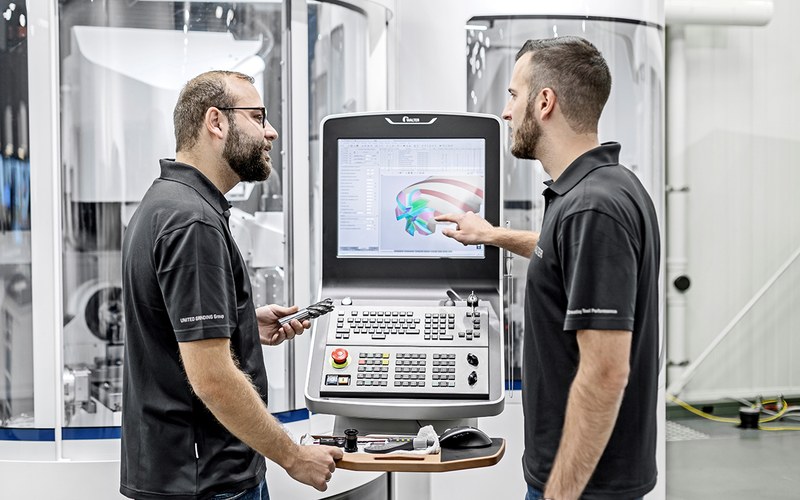
Several habits can improve digital safety:
-
Use a password manager to maintain unique passwords for different accounts.
-
Enable multifactor authentication wherever practical.
-
Install updates for operating systems, browsers, and applications.
-
Review privacy permissions before granting an application access to personal information.
-
Maintain secure backups of important documents.
These steps cannot guarantee complete protection, but they can reduce avoidable risks. Responsible internet use also includes respecting other people’s privacy, avoiding suspicious downloads, and checking the credibility of information before sharing it.
Mobile Technology and the Modern Lifestyle
Mobile technology has made digital services available in many situations that once required dedicated equipment or physical visits. Smartphones now support communication, navigation, photography, education, banking, entertainment, and workplace coordination.
Mobile applications can also help people manage their time. Calendar tools organize appointments, note-taking applications capture ideas, and task managers help users prioritize responsibilities. Educational applications provide access to lessons and practice activities, making independent learning more convenient.
However, having access to numerous applications does not automatically improve productivity. Frequent notifications, unnecessary screen time, and constant switching between tasks can make concentration more difficult.
A better strategy is to select applications based on clear objectives. Someone who needs to organize a workday may benefit from a calendar and task manager rather than several overlapping productivity tools. Adjusting notifications and reviewing application usage can further reduce digital distractions.
When exploring Technofee Com as a technology-related subject, mobile innovation provides a useful example of how digital tools can improve daily routines when they are chosen thoughtfully and used with clear boundaries.
Technology for Students and Lifelong Learners
Digital technology has expanded access to educational materials, online courses, interactive demonstrations, and collaborative learning environments. Students can use digital resources to revisit difficult concepts, organize assignments, and practice new skills at their own pace.
Technology can be particularly helpful when learners combine different approaches. A video may introduce a complex topic, a written explanation may clarify the details, and a practice exercise may reveal whether the concept has been understood.
Nevertheless, easy access to information does not replace critical thinking. Students should compare sources, distinguish evidence from opinion, and avoid submitting automatically generated material without understanding it. Academic integrity requires learners to follow their institution’s rules regarding AI assistance and outside resources.
Lifelong learning is equally important for working professionals. Digital skills such as spreadsheet use, online collaboration, basic troubleshooting, and data literacy can support career development across many industries.
Rather than trying to master every new application, learners should focus on transferable abilities. Understanding how to evaluate software, solve problems, and learn unfamiliar systems often provides greater long-term value than memorizing the features of a single product.
Emerging Digital Trends Worth Understanding
Technology continues to develop across several interconnected areas. Understanding these trends helps readers distinguish meaningful changes from temporary excitement.
Automation and robotics: Automation can perform repetitive tasks in manufacturing, logistics, administration, and other fields. Robotics combines mechanical systems with sensors and control software to carry out physical activities. Both can improve consistency, although implementation requires investment, maintenance, and appropriate human oversight.
Extended reality: Virtual reality and augmented reality offer different ways to interact with digital environments. These technologies can support training, design visualization, entertainment, and educational demonstrations. Their usefulness depends on the application, available equipment, and user experience.
Energy-efficient computing: Devices and data centers require energy to operate. More efficient hardware, improved cooling systems, and thoughtful software design can help reduce resource consumption. Consumers can contribute by choosing suitable equipment, maintaining devices, and avoiding unnecessary replacements.
Digital accessibility: Accessible technology helps people with different abilities use digital services. Features such as captions, keyboard navigation, screen readers, and adjustable text can make online experiences more inclusive.
These developments demonstrate that technological progress involves more than speed and convenience. Sustainability, accessibility, responsible design, and practical usefulness also matter when evaluating innovation.
How to Evaluate Technology Tools Before Using Them
With so many digital products available, selecting the right tool can feel complicated. A structured evaluation process helps users avoid unnecessary spending and reduces the risk of adopting unsuitable services.
Begin by defining the problem. Someone who needs to share large files has different requirements from a person looking for a photo editor or a budgeting application. A clear objective makes comparisons more meaningful.
Next, examine the tool’s essential features. Consider ease of use, compatibility, pricing, customer support, data handling, and available documentation. Free software may be sufficient for basic needs, while specialized paid products may offer advanced capabilities that justify their costs.
Independent reviews can provide useful perspectives, but readers should look for detailed explanations rather than relying only on star ratings or promotional descriptions. It is also helpful to distinguish verified product features from claims that have not been independently established.
A sensible evaluation process includes these steps:
-
Identify the specific task the tool should solve.
-
Compare two or three suitable alternatives.
-
Review security, privacy, and compatibility requirements.
-
Test a free version or trial when available.
-
Evaluate the results before committing to a long-term subscription.
This method encourages informed choices and reduces the likelihood of paying for features that do not provide meaningful value.
Building Better Digital Habits for the Future
Digital literacy involves more than knowing how to operate a device. It includes evaluating online information, communicating responsibly, understanding privacy risks, and adapting to unfamiliar tools.
Readers can strengthen these skills through regular practice. Learning basic troubleshooting, organizing digital files, reviewing account security, and exploring reputable educational resources are useful starting points. Small improvements made consistently can help people feel more confident when facing new technologies.
It is also important to maintain a balance between online and offline activities. Digital tools can improve access to information and simplify communication, but they should support personal goals rather than control every part of daily life.
As a technology topic, Technofee Com can be explored through these broader questions: Does a particular innovation solve a genuine problem? Is the information about it trustworthy? Are its privacy implications clear? Can users operate it safely and effectively?
Asking these questions helps readers develop a more thoughtful relationship with technology and prepares them to assess future developments with greater confidence.
Conclusion
Modern technology offers valuable opportunities to learn, communicate, work efficiently, and manage everyday responsibilities. Artificial intelligence, cloud computing, smart devices, mobile applications, and cybersecurity tools each provide benefits, but their usefulness depends on responsible implementation and informed decisions.
Readers do not need to follow every trend or purchase every new device to remain digitally capable. Instead, they can focus on practical skills, reliable information, online safety, and technologies that address genuine needs. Exploring Technofee Com within this wider context provides a starting point for understanding digital innovation and its everyday applications.