

Introduction
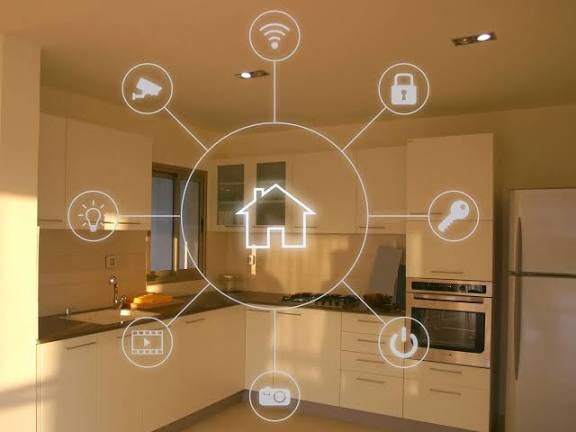
Technology has gradually transformed the way people interact with their homes. What was once considered a luxury is now becoming an increasingly practical part of everyday life. From smart lighting and automated temperature controls to voice assistants and intelligent security cameras, modern households are adopting connected devices to make daily routines more convenient. The growing popularity of these innovations represents a major shift in how people understand comfort, safety, and efficiency. The smart home revolution is not simply about purchasing advanced gadgets; it is about creating living environments that respond more intelligently to people’s needs.
In this changing digital environment, Technofee Com can be explored as a technology-related topic connected with the wider discussion of smart living and digital innovation. People increasingly search for information that helps them understand emerging technologies and their practical applications. Smart homes bring together software, internet connectivity, sensors, and connected appliances to create a more coordinated household experience. Understanding these developments can help consumers make informed decisions about which technologies are useful, how different devices work together, and what challenges they should consider before adopting home automation.
The smart home movement is also evolving alongside developments in artificial intelligence, wireless communication, and energy management. These technologies are making connected homes more adaptable and accessible. As a result, homeowners are beginning to look beyond individual devices and consider how an entire household can operate as an intelligent system.
Understanding the Smart Home Revolution
A smart home is a residential environment where connected devices can communicate with one another and perform selected tasks automatically or through user commands. These devices may include lighting systems, thermostats, door locks, cameras, entertainment equipment, kitchen appliances, and environmental sensors. Instead of operating every device separately, users can manage several functions through a smartphone application, voice assistant, or central home automation platform.
The main purpose of smart home technology is to simplify everyday activities. For example, a homeowner might schedule lights to switch on before arriving home, adjust room temperatures remotely, or receive notifications when a security camera detects movement. These features provide greater control over household activities while potentially reducing unnecessary energy consumption. The experience depends on the quality of the devices, their compatibility, and the reliability of the internet connection.
Another important development is the increasing affordability of connected technology. Smart plugs, entry-level security cameras, and intelligent bulbs have made it possible for households to begin experimenting with automation without completely redesigning their living spaces. This gradual adoption has helped smart home technology move beyond specialist technology enthusiasts and reach ordinary consumers.
How Technofee Com Connects With Modern Smart Living
The relationship between Technofee Com and the smart home revolution can be understood through the broader importance of accessible technology information. As connected devices become more common, consumers need clear explanations of their features, advantages, limitations, and practical applications. Technology-focused discussions can help readers understand why certain innovations matter and how they influence modern lifestyles.
For example, someone considering a smart thermostat may want to understand how temperature sensors work, whether the device supports remote access, and how automated scheduling can improve household comfort. Similarly, a person interested in smart security might need information about camera resolution, motion detection, cloud storage, and privacy settings. These questions demonstrate why accessible technology knowledge is becoming increasingly valuable.
Technofee Com can therefore be discussed within the larger conversation about digital awareness and connected living. Rather than viewing smart devices as isolated products, readers can explore how different technologies contribute to a more integrated household. This broader perspective is particularly useful because the smart home industry continues to introduce new features and communication standards.
The Role of Artificial Intelligence in Smart Homes
Artificial intelligence is becoming an important part of the modern smart home experience. Traditional automation systems generally follow predefined instructions, such as turning lights on at a particular time. AI-powered systems can go further by analyzing patterns, interpreting commands, and adjusting certain functions according to user behavior.
For instance, an intelligent home assistant may recognize frequently used commands and provide more relevant responses. Some advanced heating and cooling systems can learn occupancy patterns and adjust temperatures according to schedules or environmental conditions. Smart security systems may also use computer vision to distinguish between different types of movement, although their accuracy depends on the technology and installation.
AI is also contributing to more personalized household experiences. Entertainment systems can recommend content based on viewing habits, while voice assistants can help manage reminders, schedules, and compatible devices. However, these capabilities require careful consideration of privacy because many intelligent systems process personal information or collect data about household activities.
The future of AI-powered homes will depend on making these systems useful without making them unnecessarily complicated. Consumers will benefit most when automation works reliably in the background and provides meaningful control rather than creating additional responsibilities.
Important Technologies Driving Smart Home Development
The smart home revolution relies on several technologies working together. Internet connectivity allows devices to communicate with applications and cloud services, while wireless protocols help appliances exchange information within a household. Sensors collect information about movement, temperature, light, and other environmental conditions. Software then uses this information to trigger specific actions.
One significant development is the growing adoption of Matter, a smart home connectivity standard designed to improve interoperability between compatible devices from different manufacturers. Thread is another important technology that supports low-power communication between connected devices. Alongside Wi-Fi and Bluetooth, these standards are helping create more flexible smart home environments.
The following table explains some of the technologies commonly associated with modern connected homes.
| Technology | Main Purpose | Everyday Application |
|---|---|---|
| Artificial Intelligence | Analyzing patterns and supporting automation | Intelligent assistants |
| Wi-Fi | Connecting devices to networks | Remote device management |
| Bluetooth | Short-range wireless communication | Device pairing |
| Thread | Low-power smart device communication | Connected sensors |
| Matter | Improving device compatibility | Cross-platform smart home control |
| Cloud Computing | Processing and storing information remotely | Remote monitoring and services |
These technologies are not necessarily competing with one another. In many homes, multiple communication systems operate together to support different devices. Understanding their roles helps consumers choose products that are compatible with their existing equipment.
Smart Home Security and Personal Privacy

Security is one of the strongest reasons people consider adopting connected home technology. Traditional security arrangements often depend on physical locks, alarms, and manually operated cameras. Smart systems introduce additional capabilities, including remote monitoring, instant alerts, automated lighting, and connected doorbells.
A smart camera can allow homeowners to check activity around their property while they are away. Intelligent door locks may support temporary access codes for visitors or service providers. Motion sensors can activate lights when someone enters a particular area, helping improve visibility and security. When configured correctly, these features can provide greater awareness of household activity.
However, connected devices also introduce cybersecurity responsibilities. Every internet-connected appliance can potentially become a point of vulnerability if it is poorly configured or no longer receives security updates. Weak passwords, outdated firmware, and unsecured networks can expose personal information or allow unauthorized access.
Homeowners should follow several basic security practices:
- Use strong and unique passwords for smart home accounts.
- Enable multi-factor authentication wherever available.
- Install firmware and security updates regularly.
- Secure home Wi-Fi networks with modern encryption.
- Review camera permissions and data-sharing settings.
Privacy deserves equal attention. Consumers should understand what information their devices collect, where that information is stored, and whether it is shared with third parties. Choosing reputable manufacturers and reviewing privacy policies can help reduce unnecessary exposure.
Energy Efficiency and Sustainable Living
Energy management is another important factor behind the growing interest in smart homes. Electricity consumption can increase when lights, heating systems, cooling equipment, and appliances operate without considering actual household needs. Smart technology offers opportunities to monitor and manage these activities more effectively.
Smart thermostats can support scheduled temperature adjustments, while intelligent lighting systems can switch off automatically when rooms are unoccupied. Smart plugs may help users monitor the electricity consumption of selected appliances. Some advanced home energy systems can also coordinate with solar installations, battery storage, and electric vehicle charging equipment.
These technologies can contribute to more responsible energy use, although actual savings depend on household behavior, local electricity prices, climate, equipment efficiency, and device settings. Simply installing connected products does not guarantee lower energy bills. The greatest benefits generally come from using automation to identify waste and make practical adjustments.
For example, a family that regularly forgets to switch off lights in unused rooms may benefit from occupancy sensors. A household with variable daily schedules might find programmable climate controls useful. These relatively small improvements can make energy management easier without requiring major lifestyle changes.
The Growing Importance of Connected Kitchen Appliances
Smart home innovation is also changing the way people use their kitchens. Modern connected appliances increasingly include digital controls, remote monitoring, scheduling options, and automated functions. Smart refrigerators, washing machines, ovens, and dishwashers are examples of products designed to offer greater convenience.
A connected washing machine may allow users to select programs and receive notifications when a cycle finishes. Smart ovens can provide remote monitoring and guided cooking settings. Some refrigerators include inventory-management features or internal cameras that help users check available ingredients.
These features can make household management more convenient, particularly for people balancing professional responsibilities with daily domestic tasks. However, consumers should evaluate whether connected functions genuinely improve their routines. An appliance with advanced connectivity may not always provide better value than a simpler model with strong performance and reliability.
Challenges Facing the Smart Home Industry
Despite its advantages, smart home technology still faces several challenges. Compatibility remains an important consideration because not every device supports every platform or communication standard. Although Matter is improving interoperability, consumers should still verify product specifications before purchasing equipment.
Another challenge is the initial investment. Purchasing smart lights, sensors, cameras, appliances, and control hubs can become expensive, particularly when upgrading an entire property. Maintenance costs, subscription services, replacement batteries, and internet requirements may also affect the long-term value of a system.
Technical complexity can create difficulties for beginners. Some devices require multiple applications, account registrations, configuration steps, or troubleshooting procedures. A household with products from several manufacturers may find it difficult to manage everything through one interface.
There are also concerns about product longevity. Smart devices depend on software support, and a manufacturer discontinuing updates or cloud services can reduce their functionality. Consumers should therefore consider warranty coverage, update policies, local control options, and manufacturer reputation before making purchasing decisions.
How Consumers Can Begin Building a Smart Home

Creating a smart home does not require purchasing every available connected product. A gradual approach is often more practical because it allows homeowners to understand the technology before investing in additional equipment.
The first step is identifying everyday problems that technology could solve. Someone concerned about energy consumption might begin with smart plugs or lighting controls. A person interested in security could consider a compatible video doorbell or motion sensor. Households seeking greater convenience might start with a voice assistant or a small automation hub.
After identifying their priorities, consumers should check device compatibility and security features. It is helpful to select products that support established standards and receive regular software updates. Starting with a few compatible devices also makes troubleshooting easier and reduces the possibility of unnecessary spending.
A simple starting plan may include:
- Smart lighting for convenient scheduling.
- A compatible smart speaker for voice control.
- A security camera for remote monitoring.
- A smart plug for selected appliance management.
Once these devices are operating reliably, additional products can be introduced according to household requirements. This approach makes smart home development more manageable and helps prevent technology from becoming an unnecessary expense.
The Future of Smart Homes and Digital Innovation
The future of smart homes will likely involve greater automation, improved interoperability, and more efficient energy management. Artificial intelligence may become increasingly capable of coordinating different household systems according to occupancy, environmental conditions, and user preferences. However, these developments will need to balance convenience with transparency and consumer control.
One emerging area is the integration of smart homes with renewable energy systems. Solar panels, residential batteries, connected appliances, and electric vehicle chargers can potentially work together to manage electricity consumption more intelligently. Such systems may help households make better use of available energy and respond to changing electricity prices where supported.
Accessibility is another important area of development. Voice commands, automated doors, connected lighting, and remote controls can make certain household activities easier for older adults and people with mobility limitations. The effectiveness of these features depends on thoughtful design and reliable implementation.
As these developments continue, Technofee Com fits into the broader discussion of how technology information helps people understand the changing digital environment. Smart living is becoming less about owning the largest number of gadgets and more about creating systems that deliver practical benefits. The most successful innovations will be those that solve genuine problems while remaining secure, affordable, and easy to operate.
Frequently Asked Questions (FAQs)
1. What is the main purpose of smart home technology?
The main purpose of smart home technology is to make household activities more convenient, efficient, and manageable. Connected devices allow users to control lighting, security, temperature, entertainment, and selected appliances through applications or voice commands. Automation can also help reduce unnecessary energy consumption when configured appropriately.
2. How does artificial intelligence improve smart homes?
Artificial intelligence helps smart home systems analyze information, recognize patterns, and support more personalized automation. For example, an intelligent thermostat may adjust temperature settings based on usage patterns, while a voice assistant can interpret commands and coordinate compatible devices. These capabilities can improve convenience, although privacy and accuracy remain important considerations.
3. Are smart home devices suitable for beginners?
Yes, many smart home products are designed for beginners. Smart bulbs, plugs, cameras, and voice assistants are common starting points because they generally require less installation work than complete home automation systems. Consumers should begin with a few compatible products and gradually expand their setup.
4. Can smart home technology reduce electricity bills?
Smart home technology can help reduce electricity consumption by automating lighting, managing heating and cooling schedules, and monitoring selected appliances. However, the amount saved depends on household usage, electricity rates, device efficiency, and individual settings. Connected devices are most beneficial when they support sensible energy habits.
5. Is smart home technology safe to use?
Smart home technology can be used safely when devices are purchased from reputable manufacturers and configured correctly. Users should install software updates, create strong passwords, enable multi-factor authentication, and review privacy settings. Regularly checking connected devices also helps identify potential security concerns.
6. Why is technology information important for smart home users?
Technology information helps consumers understand product features, compatibility, security requirements, and practical benefits before making purchasing decisions. Discussions associated with Technofee Com can be considered part of this wider interest in digital awareness and modern connected living. Reliable information allows users to adopt innovations more confidently.
Conclusion
The smart home revolution represents an important development in modern residential technology. Connected lighting, intelligent security systems, automated appliances, AI-powered assistants, and energy management solutions are changing how households approach everyday responsibilities. These innovations offer opportunities to improve convenience, support more efficient resource consumption, and create living environments that respond to individual requirements.
However, successful smart home adoption requires more than purchasing advanced devices. Compatibility, cybersecurity, privacy, affordability, and long-term software support all deserve careful consideration. Consumers should focus on technologies that solve genuine problems rather than adopting products simply because they are new or popular.
The wider discussion surrounding Technofee Com reflects the growing importance of understanding technology and its practical influence on everyday life. As artificial intelligence, wireless communication, and home automation continue to develop, smart homes are likely to become more integrated and accessible. The real value of this transformation will come from creating homes that are not only technologically advanced but also comfortable, secure, sustainable, and genuinely useful for the people who live in them.

